Penny-Wise, Pong-Foolish: Running the Numbers on Wheelie Bin Replacement Versus a Regular Wash
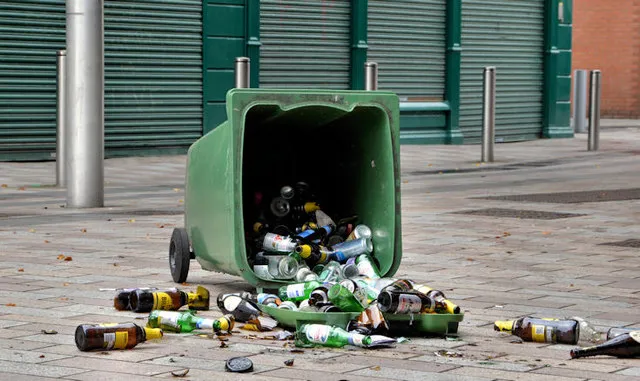
Photo: Albert Bridge , CC BY-SA 2.0, via Wikimedia Commons
There’s a particular moment in British bin ownership when replacement starts to feel inevitable. The lid sticks. The base has gone soft. A warm Friday has turned the inside into something you can smell from the back door. Before you ring the council and hand over card details, it’s worth doing a bit of bin maths — because the cheapest answer isn’t always a new wheelie.
The replacement bill isn’t just the bin
Council replacement fees vary widely across the UK. Some authorities charge around £30 for a standard 240-litre bin; others nudge £70 or more, especially for larger sizes or assisted delivery. Add the admin time, the wait for a delivery slot and the job of transferring house numbers and stickers, and the true cost creeps upward.
There’s also the disruption. Until the new bin arrives, you’re either nursing the old one through another fortnight or making trips to the tip. If you manage a block of flats or a small commercial yard, a missing bin can upset the whole collection rota. That’s not a line item on the council form, but it’s real.
What DIY cleaning actually costs
Most of us start with a bucket, a stiff brush and a bottle of something blue. The first attempt is cheap. The third or fourth is where the maths changes. Bleach, disinfectant, bin deodorisers, scented sachets, new brushes and extra hot water all add up. A season of supermarket products can easily run to £25–£40 — and you’ve still spent an hour on your knees with the hose.
Then come the side effects. Over-bleaching can leave a lingering chemical whiff that masks nothing and may damage plastic over time. Trapped water behind the base becomes a nursery for flies. And if the bin has already attracted maggots or a persistent fox, a DIY rinse rarely solves the root cause.
Pest callouts are the quiet budget killer. A one-off visit from a pest controller might cost £60–£120 depending on the problem and the region. That single bill can dwarf a year of scheduled washes.
The regular wash line item
A professional wheelie bin wash typically sits in the £5–£12 range per clean for a standard household bin, with property managers and larger bins priced separately. The service usually includes hot water, a proper scrub, waste water capture and a fresh-smelling finish. You don’t buy the equipment, store the chemicals or handle the runoff.
The key difference is frequency. A monthly or six-weekly wash keeps the bin from reaching the point where replacement feels rational. It’s preventative spending, not emergency spending.
The simple break-even sum
Here’s a rough formula you can adapt:
Annual DIY and pest cost + your time = the wash budget.
Suppose you spend £30 a year on products, £20 on a pest callout every other year (so £10 annually) and two hours of your own time across the year. If you value that time at even £15 an hour, you’re at £70. A monthly wash at £8 comes to £96 — a little more, but with no kneeling, no chemical storage and no fly risk.
Now add a replacement bin at £45 every three years, which is £15 a year. The DIY route totals £85. The wash route totals £96 plus the same bin lifespan, assuming the bin stays in good nick. The gap is small. And if a pest problem lands twice rather than once, or you buy a larger bin, the wash route often wins outright.
The real break-even point isn’t a single number; it’s the moment your DIY efforts stop working. Once you’re cleaning fortnightly and still holding your nose, you’ve passed it.
When replacement genuinely makes sense
A wash can’t fix structural failure. If the base is cracked, the wheels have gone square or the lid hinge has snapped, a new bin is the sensible call. The same goes for a bin that has been used for building waste or chemicals — councils can refuse to empty contaminated bins, and cleaning won’t make it safe.
Persistent pest infestation is another red flag. If rats have chewed through the base or flies keep returning despite regular cleaning, the bin may have hidden damage that traps organic matter. Replacing it and starting a wash schedule is usually cleaner than fighting a losing battle.
Check your council’s rules first. Some offer free repairs or replacements for damaged bins; others charge. A quick look at the local authority website can save you a fee entirely.
A quick decision checklist
- Smell returns within days? The bin likely needs a deeper clean, not replacement.
- Visible cracks or a soft base? Replacement is probably the safer spend.
- Regular pest visits? Get a professional wash and a pest assessment before buying new.
- DIY products costing more than £50 a year? Compare that with a scheduled wash.
- Property manager with multiple bins? A contract wash usually beats repeated replacement and callouts.
The bottom line
A wheelie bin is a long-term piece of kit. Most of the time, a smelly bin isn’t worn out — it’s just overdue a proper clean. Run the numbers on products, pest callouts and your own time, and the regular wash often looks less like a luxury and more like the cheapest way to keep the bin out of the replacement queue.
If you’re staring at a bin that’s past its best, get a quote for a wash first. If the plastic is sound, you’ll likely save yourself a council fee and a fortnight of excuses.