A Capful Too Far: Why Extra Bleach Leaves Your Wheelie Bin Smelling Worse
There's a moment in every UK household when the wheelie bin crosses from 'a bit ripe' to 'something must be done'. Out comes the bleach. A splash becomes a glug, the lid goes down, and everyone hopes the problem has been dealt with. It hasn't. In fact, overdoing the disinfectant can leave your bin smelling worse once the bleach haze clears.
This isn't a dig at bleach. It has its place. But a wheelie bin is not a hospital sink, and treating it like one usually creates a different problem: a damp, residue-coated plastic box that keeps Hold on to the very smells you were trying to shift.
The smell isn't always a germ problem
A lot of bin odour comes from food film, grease, sugary drink residue and the fine grey sludge that collects in the corners. Those aren't just microbes — they're physical muck. Bleach can knock back some bacteria, but it doesn't dissolve a smear of old curry or lift the greasy layer stuck to the inside wall. If the food source stays put, the smell comes back as soon as the bin warms up again.
That's the first trap: mistaking 'disinfected' for 'clean'. A bin can smell strongly of bleach and still have a tidy little ecosystem forming under the lip.
What bleach actually does in a wheelie bin
Neat or heavily diluted bleach is harsh on the plastic. It can dull the surface, dry out rubber seals and leave a lingering chemical edge that mixes badly with warm bin air. More importantly, bleach needs contact time and a clean surface to work properly. Splashing it into a bin full of scraps and then closing the lid doesn't give it either.
There's also the residue issue. Bleach leaves salts behind. Those residues can sit on the base and walls, holding moisture against the plastic. Damp plus organic bits equals exactly the conditions that make a bin whiffy. So you end up with a bin that smells of bleach for an afternoon and then smells of bin again by the weekend.
And yes, mixing bleach with other cleaners is a genuine no. If someone in the house has already used a lemon-scented cleaner or a bathroom spray, adding bleach can create unpleasant fumes. Keep it simple and don't cocktail cleaning products in a confined bin.
The runoff question
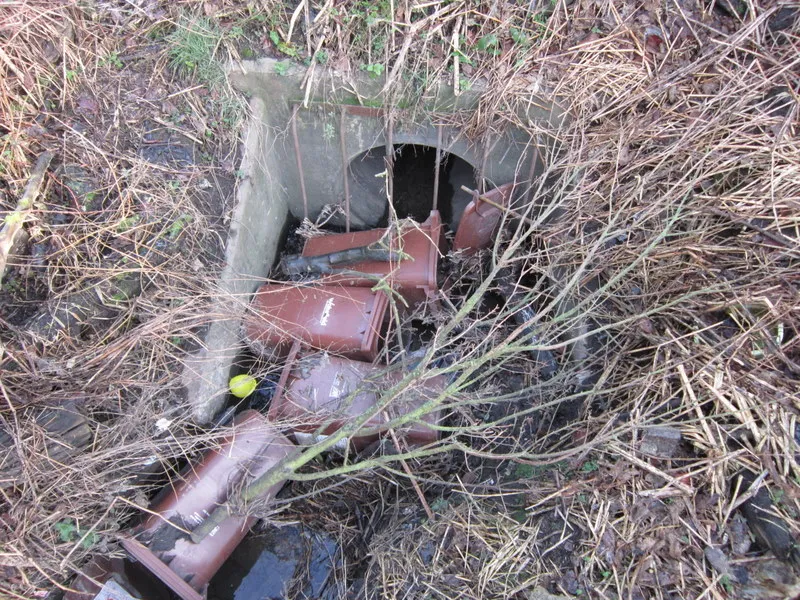
A wheelie bin usually gets washed on a drive, a pavement or a bit of concrete. That means the runoff has to go somewhere. A strong bleach mix sloshed onto the street can head for a surface water drain, which often leads to a local watercourse rather than a treatment works. That's not ideal for plants, insects or anything living downstream.
Even if you're not an eco-warrior, there's a practical angle: heavy disinfectant runoff doesn't clean the bin any better. It just moves the problem from the inside of the bin to the outside world. A gentler wash with hot water and detergent is easier to control and does a better job on the actual grime.
A plainer routine that works
Start by emptying the bin properly. Give it a scrape-out if there's a stuck-on bag or a loose bit of food waste. Then use hot water — genuinely hot, but not boiling — with a small amount of washing-up liquid or a mild detergent. A soft brush gets into the corners and along the base without scratching the plastic.
Tip the water out carefully, or use a bucket and cloth for a lighter refresh. If you're washing outside, avoid letting the runoff stream across a neighbour's driveway or into a drain. A grassy edge or a soakaway is better than a straight run into the gutter.
Then comes the step most people skip: drying. Leave the lid open in the sun or propped open somewhere airy until the inside is properly dry. Damp bins smell. Dry bins don't. If the weather is grim, wipe down the worst of the water and leave the lid ajar for as long as you can.
A little bicarbonate of soda can help with lingering odour, but it isn't a substitute for removing the muck. Think of it as a finishing touch, not the main event. And if you use a bin liner, make sure it isn't split and stewing at the bottom.
When a proper wash is the smarter move
Some bins need more than a bucket and a sunny afternoon. If the base is coated in a layer you can't shift, if maggots have moved in, or if the bin is shared and nobody wants to take responsibility, a professional wash is often the calmer option. A proper service uses hot water and equipment that captures the dirty runoff rather than washing it across the pavement.
That's especially useful for property managers, landlords and anyone dealing with multiple bins. A scheduled clean keeps the whole row fresher, and it takes the argument out of whose turn it is to tackle the bin with the questionable base.
At BinFlo, the approach is simple: fresh bins, clean streets, on schedule. No bleach fog, no runoff surprises, no hoping a strong smell covers a weak clean.
The takeaway
Bleach isn't the villain here — overuse is. A wheelie bin needs the muck removed, the surface rinsed and the inside dried. If you skip those steps, extra disinfectant just masks the problem and adds a chemical top note. Use hot water and detergent, keep the runoff sensible, let the bin dry, and save the heavy-duty cleaning for the moments that genuinely need it. Your nose will notice the difference, and so will the pavement.