Stickers, Stencils and Spray Paint: How to Mark a Wheelie Bin So It Stays Yours
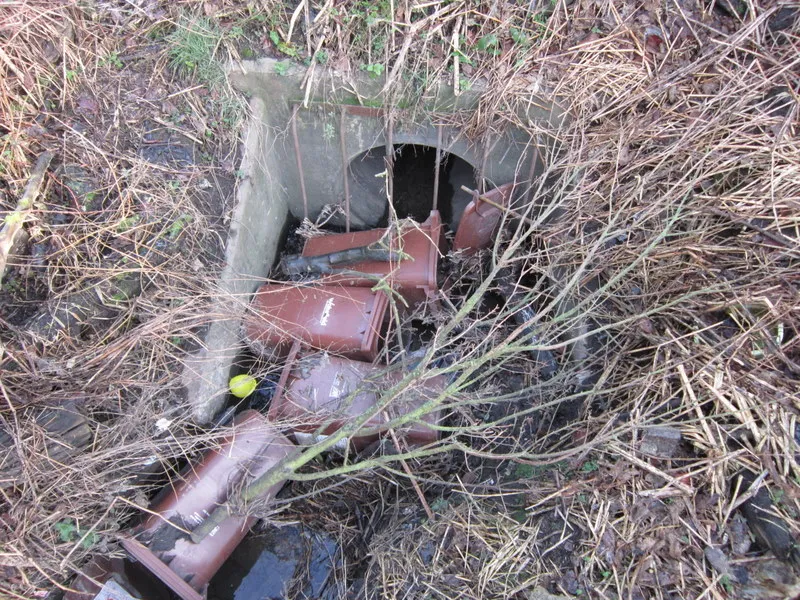
Photo: Ian S , CC BY-SA 2.0, via Wikimedia Commons
Every street has one: the courtyard where six identical grey bins sit in a row, all facing the same way, all equally anonymous. Come collection day, they get wheeled out, tipped, and wheeled back in roughly the right order. Roughly. And somewhere in that shuffle, somebody ends up with your bin, your neighbour ends up with theirs, and the one with the split lid and the lingering smell becomes nobody's problem.
Marking your bin is one of those small jobs that pays off for years. It also has a surprising number of ways to go wrong, from stickers that slide off in the first wash to paint that gets a letter from the council. Here's the practical version.
First, check what you're actually allowed to do
Bin rules are local. Some councils are relaxed about a house number on the side; others have a line in their waste policy about defacing containers. Before you get the spray cans out, have a quick look at your council's website or the tenancy paperwork if you rent. If your bins sit in a communal store, the managing agent or freeholder may have their own view on what goes on the containers.
Two genuine no-gos, almost everywhere:
- Don't cover council branding, serial numbers or QR codes. Those stickers are how the crew and the depot identify the bin. Paint over one and you've created a problem for someone whose day is already too long.
- Don't paint the whole bin. A fully resprayed wheelie in a conservation area or a managed block is the sort of thing that gets noticed and, occasionally, billed for.
A house number, flat number or street name is a completely different matter. That's identification, not decoration, and most councils are fine with it.
The vinyl sticker: boring, cheap, and usually the best answer
For most households, a decent exterior-grade vinyl sticker with your number on it does the job. Buy one rated for outdoor use, clean the panel with warm soapy water, let it dry completely, then press it on.
Where to put it matters more than people think:
- Upper body of the bin, below the lid line. Visible when the bin is out on the pavement and when it's tucked in a store.
- Not across the handle or the lifting points. Nothing gums up a lifting mechanism faster than a peeling sticker.
- Not on the lid. Lids get scraped, stacked and sat on. Also, if your council uses bins with automated lifting, the lid takes the brunt.
Put one on the front and one on the side if the bin lives somewhere busy. Replace it every year or so — faded vinyl looks worse than no label at all.
The UV pen: a backup, not a headline act
A UV marker on the inside of the bin or under the rim is a nice bit of quiet insurance. It won't stop a determined bin thief, but if you end up in a genuinely daft dispute about whose bin is whose, a marking that only you know about is useful evidence.
Treat it as a second layer. UV ink fades with sunlight and repeated washing, and nobody is going to spot it in a dim bin store at seven in the morning.
Stencils and paint: tougher, but do it properly
If you want something that survives years of hot washing and general wheelie life, a stencil and a plastic-friendly paint is the durable option. Cut a simple number stencil from card or buy one, tape it flat against the panel, and use a spray or brush-on paint formulated for plastics.
A few things that separate a neat job from a mess:
- Clean and dry the surface first. Paint on a greasy panel will flake within months.
- Light coats, not one heavy one. Two thin passes beat a puddle every time.
- Let it cure properly. Twenty-four hours minimum before the bin goes back out.
- Keep it small and aligned. A number, not a mural.
If you're in a flat or a shared store, check with whoever manages the building before you start spraying. Some agents are happy; some would rather you stuck to stickers.
What actually survives a hot wash
Professional bin cleaning uses hot water and pressure — typically somewhere around 70 to 80 degrees at the nozzle. That's brutal on anything flimsy.
What tends to last: exterior-rated vinyl, properly cured stencil paint, and moulded or engraved plastic tags. What tends not to: paper labels, chalk pens, marker pen, cheap stickers from the pound shop, and anything stuck onto a damp surface.
If you're having your bin cleaned regularly, tell the cleaner where your marking is and ask them to go easy on it. Most will.
Keeping it tidy in a shared store
In a courtyard or communal bin area, the goal is one clear, consistent label per bin — not a wall of them. Agree a simple convention with the neighbours: number on the front panel, same position on every bin, facing outward when the bins are parked. It looks orderly, it speeds up collection day, and it makes it obvious when a stranger's bin has wandered in.
Avoid the temptation to add three more stickers every time a bin goes missing. That's how you end up with a container covered in layered vinyl and no clearer about who owns it.
When it vanishes anyway
Bins still go missing. If yours does, report it to the council or your managing agent the same day, and mention the marking in your report — number, colour, position, plus any UV mark. A photo of the labelled bin on your phone is worth more than a paragraph of description.
Marking won't stop every swap. But a clear number, stuck on properly and kept tidy, settles most of them before they turn into a fourteen-email thread about whose turn it is to buy a new bin.