The Committee Wheelie: Keeping Allotment Bins Usable from First Sow to Last Frost

There is a particular smell that greets you at an allotment gate in late August. It is not quite compost, not quite pond, and not quite the inside of a warm wheelie bin. It is all three, and it usually means the shared bin has been treated as a magic hole rather than a piece of equipment.
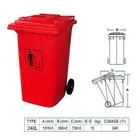
Most allotment sites have one. A single wheelie near the gate, or a small cluster behind the shed, paid for by the association and used by everyone. It is a sensible arrangement until someone posts a sweetcorn stalk the length of a snooker cue into it, or leaves a knotted carrier bag of unknown origin on the lid.
This is a guide for plot holders, site secretaries and anyone who has somehow become the bin person. Not a rulebook — more a way of keeping the thing usable from the first sow to the last frost.
Start by Asking Whose Bin It Actually Is
A shared allotment bin can be one of three things: a council-provided domestic bin, a private trade waste bin hired by the association, or a skip that arrives twice a year. Each has different rules, and the rules matter more than the signage.
If it is a council bin, check what the collection contract actually allows. Many councils collect garden waste from homes but not from allotment sites, because allotments can count as commercial or communal waste. If your site is on a garden waste subscription, contamination can get the whole bin refused. If it is a private hire, read the contract: some firms exclude soil, rubble and bulky woody material, and they will charge for a failed lift.
The committee should know who pays, who can authorise an extra collection, and what happens when the bin is too heavy. Stick that information inside the shed door, not in a filing cabinet.
What Belongs in It — and What Quietly Wrecks It
Green waste is the obvious answer, but allotment green waste is not the same as garden green waste. Soft weeds, spent annuals, pea haulm, thinning and leafy prunings are fine. Thick prunings, roots heavy with soil, stones, plastic plant pots, netting, string and stray gloves are not.
A few items deserve a firm no:
- Maize and sweetcorn stalks. They are tough, fibrous and slow to break down. Cut them into short lengths and let them dry for the site compost bay, or use them as bean poles. A full bin of stalks is a jammed shredder waiting to happen.
- Perennial weed roots. Bindweed, couch grass and anything that spreads from root fragments should not go into a council green waste stream unless your council specifically accepts them. They can survive the process and come back to haunt someone else's park.
- Diseased material. Blighted tomato plants and similar problem waste should follow council advice, not go straight into a shared bin where it sits for a fortnight.
- Mystery bags. If it is tied, opaque and left on the lid, it is not green waste. Open it, deal with it, and do not post it.
- Cooked food and oils. These attract rats, foxes and gulls, and they make the bin unpleasant for the next person.
A laminated sign at eye level does more than a paragraph in the minutes. Keep it short: what goes in, what does not, and who to tell when the bin is full.
Mud Is the Real Contamination
Handles, lids and wheels collect mud faster than anything else. That mud ends up in the bin, makes it heavy, and gives collection crews a reason to leave it behind. A bin that is too heavy is not a moral failure; it is a manual handling problem.
Keep a boot brush and a scraper by the gate if you can. Bang the worst off tools and boots before you go near the lid. Do not use the bin as a soil dump — even a little rubble at the bottom can turn a normal lift into a two-person struggle.
Mud also makes cleaning harder. A quick rinse of tools at the tap is fine, but hosing out a muddy bin onto the path just moves the problem. More on that below.
The Maize Problem, Specifically
Sweetcorn is the great allotment show-off crop, and its waste is the great bin-filler. Cobs, husks and stalks all arrive at once. Husks compost quickly, cobs are slower, and stalks are basically small trees.
A practical approach: harvest, then chop stalks into hand-length pieces and leave them in a dry pile to use as supports next year. Cobs can go to the site compost heap if it is managed properly, or into the bin in small amounts. Do not fill the shared wheelie to the lid with stalks on a Friday and expect a Monday collection to deal with it.
If the site has a compost bay, agree who turns it. An unmanaged compost bay is just a slower bin.
Rota Without the Rota Wars
Nobody wants a bin rota. But a shared bin needs a small amount of ownership, or it becomes everyone's problem and nobody's job.
The lightest version that works: one person checks the bin each week, usually whoever locks the gate last. They look at the lid, the fill level and the ground around it. If it is full, they message the group. If it is contaminated, they put a note on it and tell the committee. That is it.
A simple WhatsApp group or a note on the shed door is enough. Avoid formal inspections unless you enjoy meetings. The aim is a usable bin, not a compliance culture.
Etiquette helps: do not put waste in on a Sunday night if the bin is already full, do not leave bags beside it, and do not assume someone else will sort out a split bag. The person who spots it should deal with it or report it.
When a Hot Wash Is Worth It
A shared allotment bin gets a particular kind of grime: green juice, flies, mud and the lingering whiff of something that should have gone elsewhere. A hose makes it look better for ten minutes and then leaves a wet, smelly bin and a puddle on the path.
A professional hot wash is different. It uses hot water and a proper clean, and — crucially — it captures the runoff rather than washing slurry into the drainage or onto neighbouring plots. For a site, the sensible pattern is one visit in spring before the season gets going, and one after the main autumn clear-up.
Book it for after a collection, when the bin is empty. Ask the contractor where the wastewater goes, whether they can access the site, and whether they charge per bin or per visit. Multiple bins on one site usually cost less per bin. Check with the committee before booking, and let plot holders know so they do not fill it the night before.
Do not pressure-wash a bin next to a watercourse or a plot shed and call it cleaning. Captured waste is the difference between a wash and a mess.
A Short Seasonal Rhythm
Spring: check the bin contract, replace the sign, find the boot brush. Early summer: watch the fill level and keep stalks out. Late summer: expect peak maize and peak smell; book the wash for after the clear-up. Autumn: clear the最后一 beds, chop stalks, and get the bin emptied before it sits. Winter: keep the lid shut, report damage, and do not let bags pile up beside it.
A shared wheelie is not a bin. It is a small piece of site infrastructure. Treat it like the water butt or the gate: use it properly, fix it when it breaks, and clean it before it becomes a talking point.