Beyond the Wet Plastic: A Two-Day Check for Any Wheelie Bin Wash
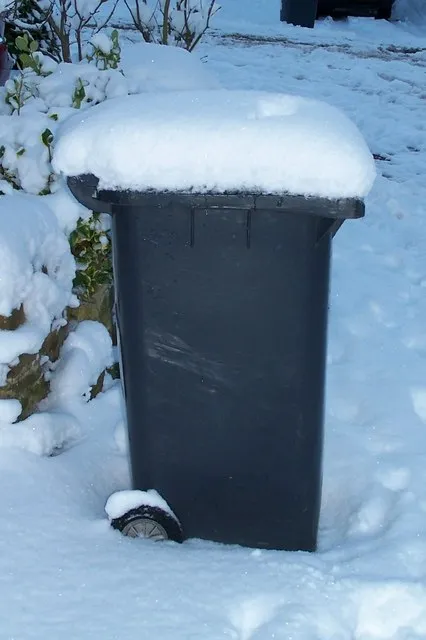
Photo: Terry Robinson, CC BY-SA 2.0, via Wikimedia Commons
You've booked the wash, the bin has come back, and for about ten minutes it smells like a hotel lobby. Then the fragrance fades. That's the moment to pay attention, because wet plastic and a blast of air freshener can disguise a lot. A proper wheelie bin clean removes the grime that feeds odour in the first place. A quick rinse just moves it around.
So how do you tell the difference without turning into a bin detective? Give it two days.
What 'clean' should actually mean
A clean wheelie bin isn't defined by how it smells straight after the wash. It's defined by what's left behind once the water has drained and the air has settled. The things that cause trouble are clingy residues: old bin juice in the base corners, a film of food waste on the walls, grit around the wheel cavities, and the dark streaks that gather under the lid hinges. Hot water and proper agitation lift that stuff. A hose alone usually doesn't.
That's why the useful test isn't the sniff you do at the kerbside while the cleaner is still packing up. It's the check you do the next morning, and then again a day later.
The 24-hour check: look before you sniff
Give the bin a full day to dry out. Then start with your eyes, not your nose.
Lid and hinges. Open the lid fully and look along the hinge line. This is where black streaks and trapped grit like to hide. Run a gloved finger along the inside edge of the hinge. If it comes away greasy or gritty, the wash missed a spot. A little water is fine. A smear of old waste is not.
Wheel cavities. Tilt the bin and look around the wheels. Grass clippings, mud and dried bin juice collect here, and they're easy to forget. The bin should be free of loose debris. If you can see clumps stuck between the wheel and the housing, the clean wasn't thorough.
Base corners. Look right into the bottom inside corners. They should be dry or nearly dry, with no film or grit. Pooled water after 24 hours is a sign the bin wasn't drained properly, and standing water will start to smell again quickly.
Runoff marks. Check where the bin was washed or where it stood afterwards. A faint water mark on paving is normal. A greasy tide line or a patch of smelly sludge is not. Reputable cleaners capture or manage their runoff; they shouldn't leave a dirty puddle behind for you to deal with.
The sniff test. Don't bury your head in the bin. Sniff at the rim, then near the base. You're looking for neutral, not perfumed. If the only thing you can smell is a strong floral or chemical scent, ask yourself what it's covering up. A genuinely clean bin smells of very little.
The 48-hour check: the returning cast
This is where a superficial wash shows itself. By day two, any residue left behind has had time to make itself known.
Odour. With no new waste added, the bin should still be neutral. If a sour or rubbishy smell has returned within 48 hours, something was left behind, or the bin was already contaminated again by a stray bag. Check what went in before you blame the cleaner.
Flies. In November you'd expect far fewer than in summer, but look anyway. A couple of small flies drifting around the lid isn't automatically a failed wash. Maggots or a cluster of flies around the handle recess or lid seal is a different matter. That suggests organic matter is still trapped somewhere.
Moisture and stickiness. Run a hand along the inside wall. It should feel dry or slightly damp, not tacky. Sticky patches mean residue is still there. Water sitting in the base after 48 hours is a definite flag.
Lid seal and handle recess. These are the bits everyone forgets. Lift the lid and check the rubber or plastic seal where liquid can collect. Look into the handle recess too. If either is holding old waste, the wash was incomplete.
When it's fair to ask for a return visit
Most reputable bin cleaning services would rather come back than lose a customer over a missed hinge. But it's fair to ask only if you've done the checks properly.
Get in touch within a couple of days of the wash. Send photos of what you've found: the gritty hinge, the pooled water, the sticky wall. Be specific about where the problem is and when you noticed it. If you've added new waste in between, say so. That keeps things honest.
It's reasonable to ask for a return visit if you find trapped waste, standing water, a strong odour at 48 hours with no new waste added, or runoff damage that the cleaner should have managed. It's less reasonable to expect a re-wash because the bin smells after you've put a bag of prawn shells in it. That's just bin life.
For property managers checking communal bins, keep a simple log. Note the date of the wash, the block or bin store, and what you found at 24 and 48 hours. A pattern of missed hinges or wet bases across several bins is worth raising. A single smelly bin after a bank holiday weekend is usually down to volume, not the clean.
A short checklist to keep handy
- At 24 hours: check hinges, wheel cavities, base corners and runoff marks. Sniff the rim and base.
- At 48 hours: check for returning odour, flies, sticky walls and pooled water. Look at the lid seal and handle recess.
- Document anything you find with a quick photo and the date.
- Contact the cleaner within 48 hours if there's a genuine issue, and be specific.
- Remember that a bin wash is maintenance, not a miracle. It buys you a cleaner starting point, not a permanent shield against everything you throw away.
The two-day check isn't about being fussy. It's about knowing what you paid for. A good wash should still look and smell like a good wash when the shine has worn off.