The Five-Minute Access Brief: Making Sure the Bin Wash Van Can Actually Reach Your Wheelie
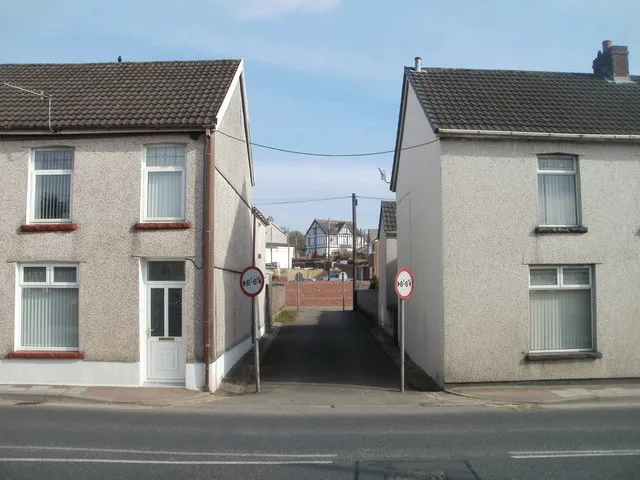
Photo: Jaggery , CC BY-SA 2.0, via Wikimedia Commons
There's a particular kind of disappointment that comes from watching a bin wash van circle your street twice and then drive off. Nothing was wrong with the bin. Nothing was wrong with the booking. The problem was that between the van and the wheelie sat a Vauxhall Corsa, a locked side gate and a bin that had been wheeled out to the kerb four hours early.
On a narrow UK street, access is the whole job. Cleaning is the easy bit. So before anyone talks about water temperature or runoff, it's worth spending five minutes writing down how a stranger in a van is actually going to reach your bin. That's what this is: a short brief you can send, hand over or stick on the fridge.
Access fails before cleaning does
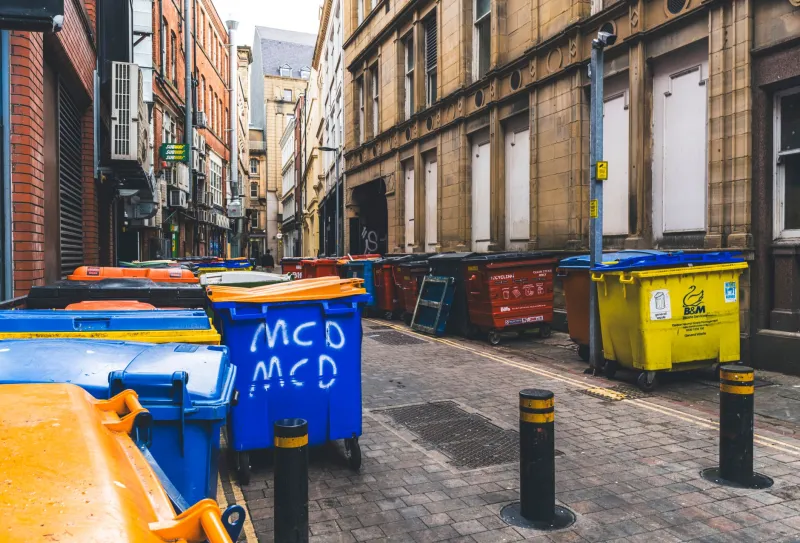
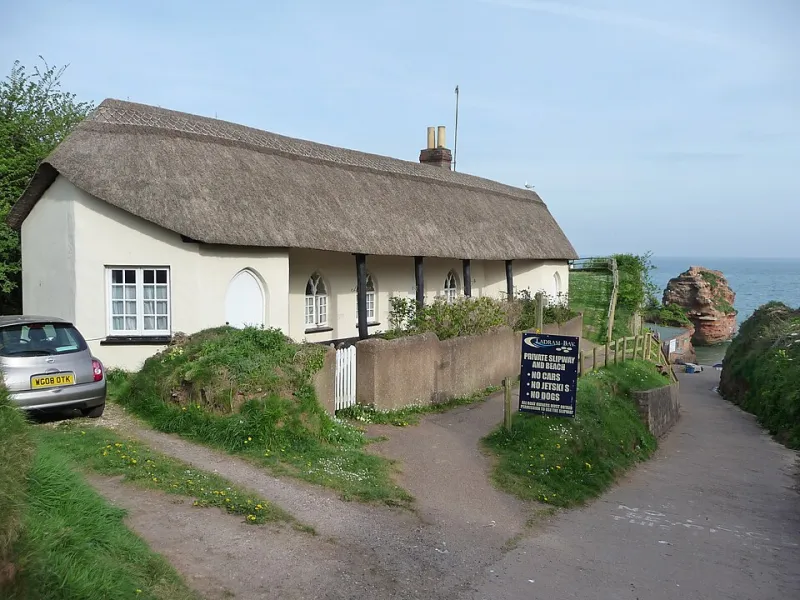
A wheelie bin clean needs three things: the bin, the van and a bit of room between them. On a wide suburban drive, all three are obvious. On a terraced street in Leeds, a London CPZ or a Cornish lane with walls on both sides, they're not.
Most of the access problems fall into four buckets:
- Parking. If the only gap outside your house is a residents' bay that's full by 8am, the crew can't park there. They also can't block a bus route, a dropped kerb or someone's driveway to make it work.
- Gates and side returns. A bin behind a locked gate is a bin that doesn't get washed. Same for the one at the back of a shared alley that only opens with a key held by a neighbour who's at work.
- The route. A wheelie can be 1.2 metres tall and heavy when full. If the path involves steps, gravel, a narrow gap between a wall and a shed, or a dog that treats the garden as its own, the crew needs to know.
- Timing. Bin day is chaos. Bins out at the kerb, collection lorries blocking the road, neighbours moving each other's bins. If your wash is booked for a Tuesday morning and the council collects on a Tuesday, expect friction.
None of these are unusual. They're just things that nobody writes down until the van is already outside.
The pre-wash access check
Run through this before you book, and again the day before. It takes about five minutes and saves a lot of polite shrugging.
- Where exactly is the bin? Not 'out the back' — be specific. 'In the side return, second gate on the left, behind the recycling boxes.'
- What's the parking situation? Is there a bay the van can use, a loading bay, a single yellow nearby, or nothing at all? Note any permits or restrictions.
- What opens? Gate codes, key safe numbers, the name of the neighbour who holds the alley key, or a simple statement that everything's unlocked.
- What's the ground like? Steps, gravel, a steep slope, a narrow passage — mention it. A crew can carry a bin, but they need to know before they try.
- Where should the wash happen? Ideally on your property, not the pavement. If the only flat ground is the front garden or a driveway, say so.
- When is bin day? If it clashes, either move the wash or plan for the bin to be brought back in before the crew arrives.
- Who's around? A phone number that actually rings is worth more than a full paragraph of instructions.
Briefing the crew without a novel
You don't need an essay. You need a message that reads like directions to a party. Something like:
Bin is in the side return at 14 Ashgrove Terrace. Gate is on a latch, no code. Park in the loading bay outside number 18 — it's free after 9am. Bin day is Wednesday, so Tuesday washes need the bin pulled back in by 10am. My number is 07xxx xxx xxx if anything's unclear.
That's it. Four sentences, no riddles. If you're a property manager looking after six flats or a small office block, do the same thing once per site and keep it on file. Add a line about where the bins live, who has keys and whether there's a service lift or a fire door that needs propping. Future you will be grateful.
The bits people forget
A few small details that regularly turn a straightforward wash into a twenty-minute negotiation:
- The bin lid needs to be closed. A bin overflowing with bags can't be cleaned properly, and the crew shouldn't be rearranging your rubbish to make it fit.
- Don't move the bin somewhere 'helpful'. If the brief says side return, leave it in the side return. A bin that's been relocated to the front path 'to save time' usually saves none.
- Tell them about the dog. Even if it's friendly. Especially if it's friendly.
- Check the weather. Not because a bit of rain stops a bin wash, but because standing water, ice or a flooded alley can change where a van can safely park.
When it still goes wrong
Sometimes it will. A neighbour parks across the only gap, a gate swells in the rain, a collection lorry blocks the road for forty minutes. A good crew will call rather than guess — but they can only call if they've got your number and you've told them what's normal for your street.
The real point of an access brief isn't to eliminate every surprise. It's to make sure the surprises are small ones. A bin wash should be a quiet bit of housekeeping, not a puzzle box. Write the five lines, send the message, and let the van do the rest.