The No-Hose Household: Keeping a Flat's Wheelie Bin Fresh Without a Tap or Drain
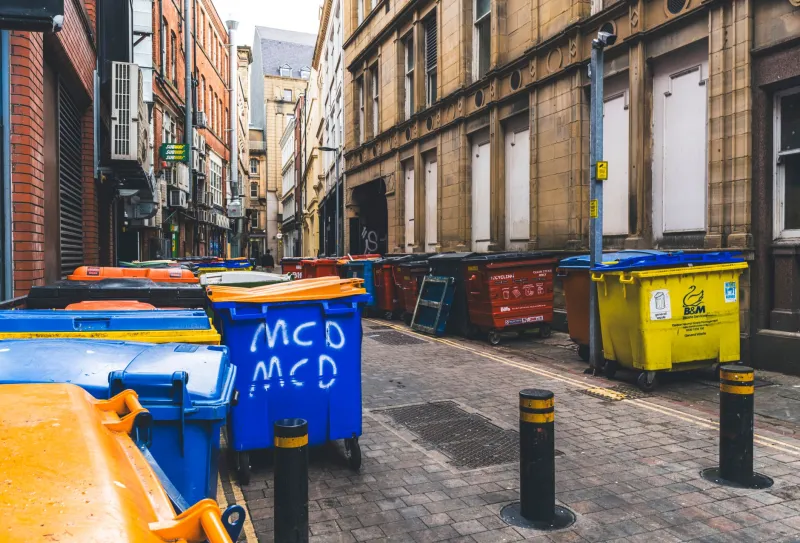
A wheelie bin outside a flat rarely has the luxury of a garden tap and a convenient drain. You might have a shared bin store, a back court, a strip of concrete beside the bike racks, or a maisonette doorway that opens straight onto the pavement. The bin still needs looking after. The good news is that most of the work is about moisture, airflow and timing — not gallons of water.
Start with the bin's own drainage
Before you buy a single cleaning product, check how the bin behaves. Wheelie bins are designed to tip slightly and drain through the base, but only if they are standing on level ground and not sitting in a puddle. If your communal store floods after rain, report it. If the bin is wedged against a wall so the lid cannot sit flat, move it. A bin that stays damp inside will smell regardless of what you spray at it.
Empty the bin on collection day, then leave the lid open for an hour if the weather allows and the store is secure. That single habit does more than a weekly squirt of anything.
Waterless tools that earn their keep
You do not need a hose to keep a bin usable between professional washes. A few low-effort items work well:
- Bicarbonate of soda. A light dusting in the base absorbs moisture and takes the edge off sour smells. It is not a disinfectant, but it is a useful holding measure.
- White vinegar in a spray bottle. A diluted spray on the inside walls and lid helps cut grease and lift residue. Wipe with paper towels and bin them — do not rinse into the communal yard.
- Newspaper or wood pellets. Useful for soaking up leaks from food waste, especially in summer. Cat litter works too, but keep it in a lidded tub so it does not become its own problem.
- A small lidded caddy. If you are carrying waste down several flights, a sealable caddy reduces drips on the stairs and stops the bin getting a fresh layer of mess every evening.
Skip the temptation to pour bleach in and call it done. Extra bleach can leave a bin smelling worse once it mixes with organic waste, and it does nothing for the physical residue that flies and foxes are interested in.
The two-bag rule and the freezer trick
Most flat-bin smells start with raw meat, fish and wet food packaging. Double-bag those items, or wrap them in newspaper before they go into the main bin. In hot weather, freeze smelly scraps in a sealed tub until collection morning. It sounds fussy; it is actually one of the simplest ways to stop a communal store turning into a problem the whole block can smell.
Keep the bin lid shut. An open lid invites rain, flies and the neighbourly complaint you do not want. If the bin is too full to close, that is a collection issue to raise with the council or managing agent, not a reason to leave it gaping.
Keep the store breathing, not soaking
Shared bin stores often fail because nobody owns the airflow. Do not stack bins against vents, do not block the door with recycling boxes, and do not leave bags on the floor where they can split. If there is a drip tray or a drain in the store, keep it clear. If there is a leak from the roof or a broken gutter, report it — a dry store is a cleaner store.
A simple mat or tray under the bin can catch minor drips without turning the floor into a slipping hazard. Ask the managing agent before adding anything permanent.
Briefing a professional cleaner when there is no tap
A proper bin cleaning visit should not need your tap. Most professional services arrive with their own water supply and capture the waste rather than letting it run across the pavement. When you book, be specific about access:
- Where the bin is stored and whether there are steps, lifts or narrow doors.
- The time window, key code or fob arrangements, and who will be on site.
- Whether the cleaner carries its own water tank and waste capture.
- What happens to runoff — it should not be sent down a surface-water drain or left in a puddle.
- Whether they will put the bin back exactly as found and leave the store tidy.
If you rent, check your lease or ask the managing agent before booking a visit that involves the communal store. If you own the flat, a short note to the residents' association is still worth sending. Permission is cheaper than an argument.
The neighbour and managing agent conversation
You do not need a formal meeting. A short message works: the date, the time window, what the cleaner will do, and how long the bin will be out of action. Ask neighbours to avoid moving the bin during that window. If the store is shared, agree who will unlock it and who will check it afterwards.
Raise wash-day access with the managing agent as a practical request rather than a complaint. Mention the benefit to everyone: fewer smells, fewer flies, less chance of pest issues in the store. Ask whether there is a preferred day, any restrictions on contractors, and where a cleaning van can park without blocking the entrance.
A simple wash-day checklist
Confirm access the day before. Clear the path to the bin. Keep pets and children away from the store while the cleaner is working. Check that the bin is put back with the lid closed and the handle wiped. Look at the floor — if there is a puddle or a stray bit of waste, report it straight away rather than letting it sit.
No tap and no drain does not mean no plan. It means being a bit more deliberate: keep the bin dry where you can, seal the worst waste, brief the cleaner properly, and keep the shared store on good terms. That is usually enough to keep a flat's wheelie bin from becoming the thing everyone talks about for the wrong reason.