The Cooling-Off Period: Why a Same-Day Bin Wash Isn’t Always the Cleanest Move
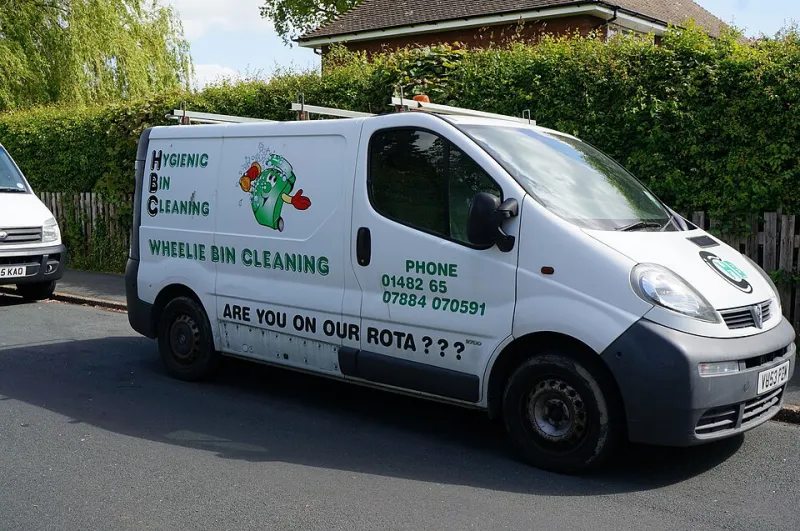
Photo: Ian S, CC BY-SA 2.0, via Wikimedia Commons
Collection day has a certain momentum. The lorry comes, the bin goes out, the bin comes back, and suddenly everyone wants to deal with it. Fair enough. But if you are standing there with a hose before the collection crew have turned the corner, it is worth pausing. A same-day bin wash is not automatically the best wash. The right timing is usually a little later, and the difference shows up in how the bin smells a week later.
The bin is empty, not necessarily ready
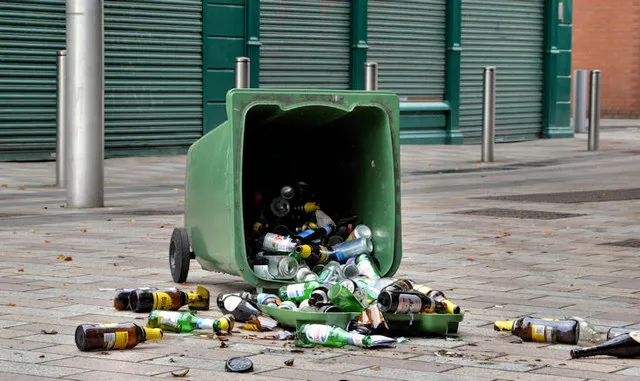
An emptied wheelie is not the same as a dry, clean wheelie. The lorry tips the bulk out, but a few scraps cling to the base, the corners and the underside of the rim. There may be a bit of sludge, a damp liner or a puddle that has been sitting there since the last rainy put-out. If you wash straight away while the bin is still on the kerb, or while it is wet from rain, you are adding water to a container that has not had a chance to air.
The bigger issue is what happens after the wash. A bin cleaned in a hurry and shut with water still in the base is a bin that stays damp. Damp plus warm weather plus tiny food residues equals the familiar smell-and-fly combination. The clean has happened, but the conditions have not been given a chance to finish the job.
Moisture is the quiet troublemaker
Most wheelie bin problems start in the places we do not look: the base, the hinges, the lip under the lid and the little drainage holes. A quick blast with a hose can look like a clean from the pavement, but if water is trapped in the bottom, it will sit there. In a warm spell, that trapped moisture can turn a bin from acceptable to unpleasant in a couple of days.
The fix is not complicated. After washing, give the bin time to drain and dry. Leave the lid open in a secure spot, tilt it slightly if you can, and let air move through it. Do not close it up and wheel it straight into a dark store. If the bin store is unventilated, even a good clean will struggle to stay fresh.
Runoff has to go somewhere
There is another reason to think about timing. When you wash a bin, the water has to go somewhere, and it is not just clean water. It carries bits of waste, cleaning product and whatever was left in the bottom. Washing on the street means runoff can head for a surface water drain or sit in a puddle by the kerb. That is not ideal, and some councils take a dim view of it.
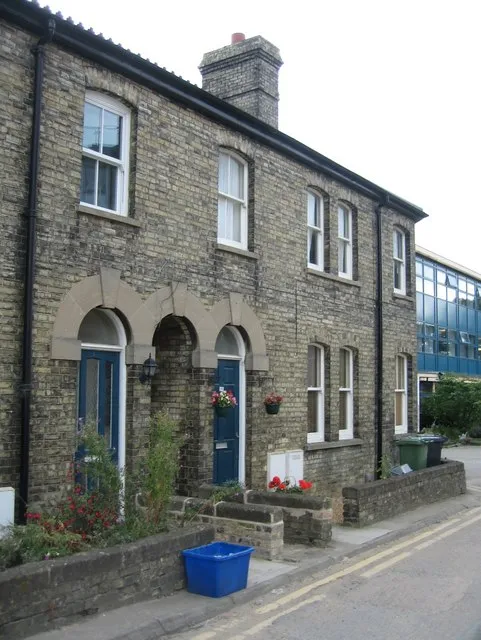
If you are cleaning at home, do it somewhere you can control the runoff, and check your local council’s guidance. If you use a cleaning service, ask how the wastewater is captured and disposed of. A proper service should not leave a grey trail down the pavement. That is especially important on terraced streets, where there is often nowhere for the water to go except the gutter.
The 48-hour window is a buffer, not a rule
So when is the right moment? Think of the first day or two after collection as a working window rather than a deadline. Once the bin has been emptied, you have a chance to clean it before the next round of waste starts building up again. In practice, the best slot is usually within 24 to 48 hours of collection, on a dry day, when you can leave the bin open to dry afterwards.
That window is not a strict law. In cool, breezy weather, two days after collection is fine. In a hot spell, you may want to clean sooner and dry it thoroughly, because flies find a warm bin quickly. If heavy rain is forecast for the day after collection, waiting for a dry spell may matter more than hitting the 48-hour mark exactly. The point is to avoid the two extremes: washing in a rush while the bin is still wet and shutting it up damp, or leaving it so long that residues bake on in the sun.
A simple seasonal timetable
| Season | Good slot | Watch out for |
|---|---|---|
| Spring | Within 48 hours, on a dry afternoon | Grit, pollen and damp mornings; make sure the base is dry before the lid goes down |
| Summer | Within 24 hours, early morning | Flies and smell; do not leave the bin wet in a hot store |
| Autumn | Within 48 hours, between showers | Wet leaves and grit; pick a dry spell and check the lid and hinges |
| Winter | Midday, above about 3°C | Freezing water and icy paths; avoid washing if the bin will not dry |
For flats, shared bins and property managers
Communal bin stores need a bit more planning. If several households share bins, a same-day wash can clash with the collection crew, the bin store tidy-up or the moment everyone else is trying to put their rubbish out. Stagger the cleaning after collection, and make sure the store has a chance to air. If the bins are cleaned in a row and pushed straight back into a closed cupboard, the whole block gets the benefit of the wash and the downside of the moisture.
Property managers should also think about access. A cleaner arriving while the bins are still on the pavement may be working around the collection round, and that can mean a rushed job. Booking a slot after the bins are back in their usual place is usually more straightforward, and it gives the bin a chance to be empty and dry-ish before the wash starts.
So when should you book?
If your collection is early and the day is dry, a late-afternoon wash can work well. If the bin is wet from rain, or the forecast is grim, wait. If you are using a service, ask what happens after the wash: is the bin left to drain, or is it closed and stacked immediately? The answer tells you a lot about how fresh it will stay.
A bin wash is not just about blasting away the visible grime. It is about the hours afterwards, when the bin either dries properly or turns into a damp box. Give it that cooling-off period and you will usually get a cleaner bin for longer, fewer flies at the lid and a street that smells a good deal better.