Seven Bin Habits That Feel Helpful — And the One You Can Happily Skip
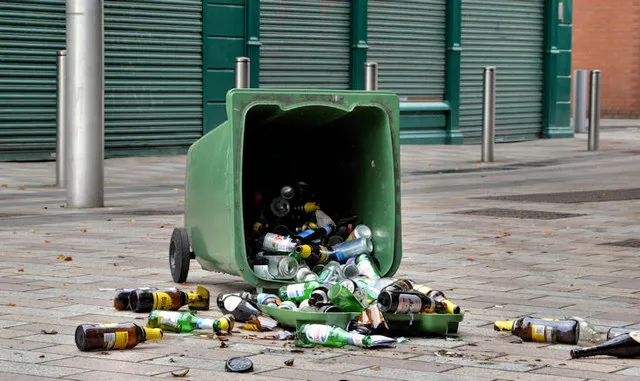
Photo: Albert Bridge , CC BY-SA 2.0, via Wikimedia Commons
Wheelie bins attract folklore. Ask three neighbours how to keep one fresh and you'll get three confident answers, usually involving bleach, bicarbonate of soda or leaving the lid open to let the bin 'breathe'. Some of these habits are harmless. Others make smells worse, invite flies or shorten the life of the bin itself.
This is not about turning bin care into a weekend project. It is about ditching the rituals that do not work and keeping the simple stuff that does. Here are seven habits that sound helpful, plus one you can cross off your list for good.
Myth one: a glug of bleach down the sides sorts the smell
Bleach feels decisive. It smells clinical, it kills germs and it is already under most sinks. The trouble is that a wheelie bin is not a drained sink. Bleach hits the surface, dulls the smell for an afternoon, then gets diluted by condensation, rain and whatever else is leaking from bags. It does not remove the biofilm — that slippery layer of bacteria and grease — where the real pong lives.
Worse, mixing bleach with food waste and cleaning products can create irritating fumes in a confined bin store. In a communal bin area, that is the last thing you want.
Try instead: hot water, washing-up liquid and a stiff brush. Scrub the walls, corners and lid, tip the dirty water down a drain — not into the street — and let the bin dry before putting anything back in. If you use a professional clean, the hot water and captured wastewater do this job properly.
Myth two: leave the lid open so the bin can breathe
An open lid does not ventilate a bin. It gives rain a way in, gives flies a way out and invites foxes, gulls and curious pets to investigate. In summer, an open lid turns a warm bin into a humid box, which is exactly what bacteria want.
Try instead: keep the lid shut and make sure it actually closes. If the lid is warped or a hinge pin is missing, ask the council about a repair or replacement. A bin that seals properly is easier to keep fresh than one that is permanently ajar.
Myth three: if it is bagged, the bin stays clean
Bags help, but they are not a force field. Condensation forms inside the bin, thin bags split, and liquids find their way out. A bin can look tidy from the outside and still have a puddle of bin juice underneath the first layer of sacks.
Try instead: double-bag messy food waste, drain anything soggy before it goes in, and put a sheet of newspaper or cardboard in the bottom of the bin to soak up drips. It is not glamorous, but it makes a difference.
Myth four: a quick hose-down is as good as a proper clean
Hosing a bin often just moves the problem. The water spreads grime into the corners, leaves the bin damp and sends dirty runoff towards drains or pavements. If the bin is not dried, the next collection starts with a warm, wet environment — ideal for smells and flies.
Try instead: if you are cleaning at home, use a small amount of hot soapy water, scrub properly and dry the bin with an old towel or leave it open in the sun for a short while — supervised, with the lid off only during drying. If you would rather not deal with the runoff, a scheduled hot-wash service is the cleaner option.
Myth five: bicarbonate of soda is a full cleaning plan
Bicarbonate of soda is useful. It absorbs some odours and is good for sprinkling in the bottom of a food caddy. But it is not a substitute for removing the grime that causes the smell. Putting soda in a dirty bin is like spraying air freshener in a room with a blocked drain.
Try instead: use bicarbonate as a top-up, not a main event. Clean the surfaces first, dry the bin, then add a light sprinkle if you want a little extra freshness.
Myth six: scented liners and air fresheners fix the problem
Scented products mask smells. They do not remove the source. In a warm bin, the result can be a strange perfume-and-rubbish mix that is somehow worse than the original. Strong fragrances can also irritate people using communal bins.
Try instead: focus on dryness, sealed bags and regular cleaning. Fresh air and a clean bin do more than any fragrance.
Myth seven: you must scrub the bin the night before every collection
This is the one you can happily skip. A frantic pre-collection scrub every week is not necessary if the bin is kept dry, bags are managed and a proper clean happens on a sensible schedule. For most households, a monthly clean in warmer months and less often in winter is enough, with extra attention after a messy clear-out or a particularly smelly week.
Try instead: book or diarise a regular clean, keep the lid shut, drain soggy waste and deal with spills when they happen. Ten minutes of prevention beats an hour of panic.
The bottom line
Bin hygiene is less about potions and more about moisture, airflow and routine. Keep the lid closed, keep the bin dry, clean the surfaces properly and skip the bleach-and-panic cycle. Your bin will smell better, your street will look tidier and bin day will be a lot less eventful.