Christmas Bins Without the Whiff: A 2026 Countdown for Fat, Cardboard and Shifted Collections

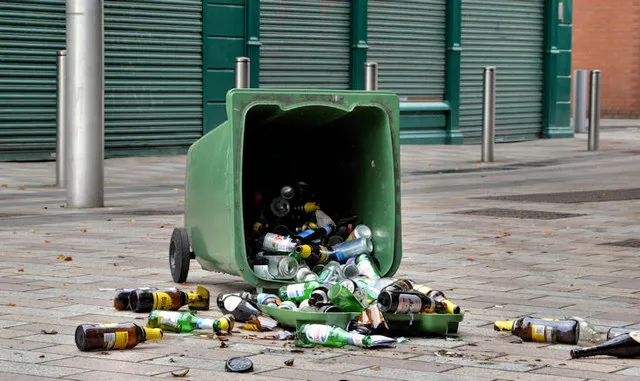
Photo: Christmas kitchen waste turkey fat cardboard boxes recycling bins UK, via wallpapertag.com
Christmas is a wonderful time for many things, but bin day is not usually one of them. The turkey arrives, the cardboard multiplies, the collection dates shift and the wheelie bin becomes a small municipal crime scene by 27 December. The fix is not heroic effort on Boxing Day. It is a bit of planning in mid-December, a few sensible rules about fat and packaging, and a countdown that keeps the whole thing manageable.
This year, treat your bins like part of the festive prep. Check the dates, clear space, and decide where the grease, cardboard and extra bags are actually going before the house fills up.
Check the Calendar Before the Turkey Arrives
Your council’s Christmas and New Year collection schedule is the first thing to pin down. In 2026, most councils publish revised dates on their website and app, often with a printable calendar. Find your normal collection day, then find the festive alternative. Note the last collection before Christmas, the first one after, and any garden or recycling changes. Put it on the fridge and in your phone. If you live in a flat or shared house, ask the managing agent to put the same information in the bin store. A printed notice stops a dozen people guessing.
Do not assume the bin will be emptied on the usual day just because the council has always done it that way. Festive schedules move. If your bin is already full before Christmas Eve, you need to know how long it will sit there.
Freeze, Bag, Flatten: The Three Rules That Save Space
Turkey fat is the classic Christmas bin problem. Do not pour it down the sink. Let it cool, pour it into a container, and freeze it if you can. A labelled tub or old yoghurt pot in the freezer keeps it out of the drain and stops it turning your bin into a greasy soup. When the bin is due, put the solid fat in a sealed bag and place it in the general waste. If you have a lot, ask your council about local fat recycling or household waste recycling centre options.
Bag food waste properly. Use compostable bags if your council accepts them, or a sealed bag for general waste. Keep raw meat packaging separate and double-bag anything that might leak. Flatten cardboard boxes before they go in the recycling bin. Remove excess tape and polystyrene where your council asks you to. Rinse jars and tubs, but do not obsess over perfection: check your council’s guidance rather than guessing.
Wrapping paper is a common festive trap. Plain paper may be recyclable in some areas, but foil, glitter and laminated paper usually are not. Scrunch test it: if it springs back, it probably belongs in general waste. Batteries, fairy lights and electronic toys should never go in the wheelie bin. Take them to a recycling point or retailer collection scheme.
The Countdown: A Simple Routine From 18 December
A little structure beats a last-minute panic. Here is a practical countdown you can adapt for your household or building.
- 18 December: check the council’s festive collection dates and print or screenshot them. Clear out the fridge and freezer to make space for leftovers and fat containers. Give the bin a rinse before it gets busy.
- 20–22 December: flatten cardboard as it arrives. Keep a dedicated bag for foil, film and non-recyclable wrapping. Remind everyone in the house which bin is which. If you manage a property, check communal bins and ask the cleaning team to clear any overflow.
- 23–24 December: do a final food shop with a plan for leftovers. Put a lidded tub by the sink for fat. Make sure the bin is empty and clean before Christmas Eve. If collection is early, put it out the night before only if your council allows it.
- Christmas Day and Boxing Day: bag food waste, freeze fat, flatten boxes. Do not let bags pile up beside the bin. Side waste often gets left behind and attracts foxes.
- 27–29 December: check the bin level. If it is full, store extra recycling neatly inside or in a secure container until the next collection. Book a recycling centre trip if you have bulky cardboard or a real Christmas tree to dispose of.
- New Year’s Eve and New Year’s Day: keep the same routine. Do not put glass, batteries or broken decorations in the recycling bin. Check the next collection date again, because the New Year schedule may shift too.
- Early January: clean the bin properly, check for cracks or missing lids, and reset the calendar for the normal collection routine.
When the Bin Is Full and the Next Pickup Feels Far Away
It happens. The bin is full, the next collection is days away, and the cardboard tower is blocking the hall. Do not use a neighbour’s bin without asking, and do not leave bags on the pavement. In many UK councils, side waste is not collected, and leaving it out can count as fly-tipping. Store extra waste responsibly: flattened cardboard tied in bundles, dry recycling in a secure box, and food waste sealed and kept cool.
If you have a lot of extra waste, check whether your council offers bulky waste collections or extra recycling points over Christmas. Book early, because slots fill up. If you live in a flat, ask the managing agent whether extra communal bins can be arranged temporarily. It is better to plan an extra collection than to let a bin store become a health hazard.
Keep the Bin Itself From Becoming the Problem
Even a well-planned Christmas can leave a bin smelling of old turkey and mulled wine dregs. A greasy bin attracts flies, clings to the sides and makes every future collection feel grim. Rinse the bin after the main Christmas clear-out, and book a proper clean if the smell has settled in. BinFlo’s festive advice is simple: keep the waste moving, keep the lid closed, and get the bin washed before the January reset. A clean bin is not a luxury at Christmas. It is the difference between a fresh start and a month of holding your breath.