The Caddy Has Its Own Rules Now: A 2026 Cleaning Rhythm for Food-Waste Kerbsides
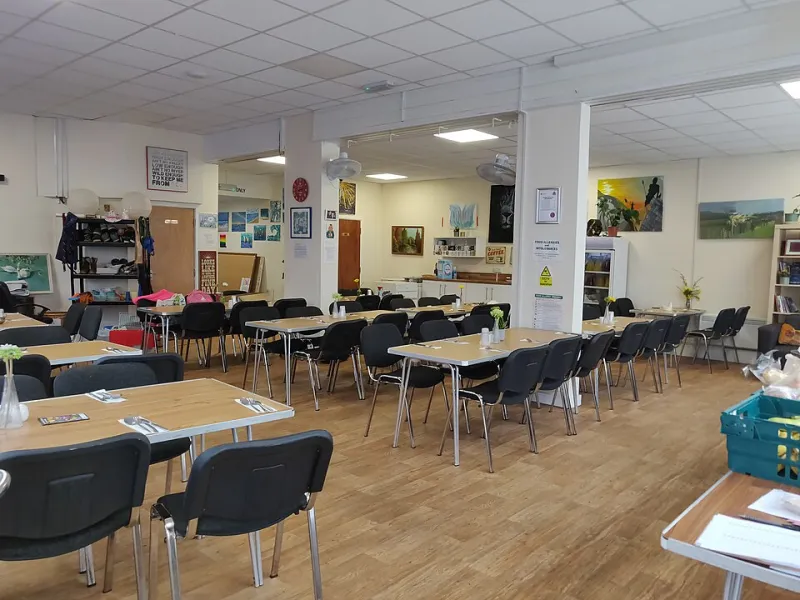
Photo: Tim Sheerman-Chase, CC BY 2.0, via Wikimedia Commons
If your council has started separate food waste collections under Simpler Recycling, the kerbside has quietly changed shape. You have not just gained an extra bin. You have gained a second hygiene job, with different rules from the general wheelie. The kitchen caddy is now the concentrated bit: scraps, peelings, tea bags and the odd bit of leftovers. The outdoor food waste bin is the holding pen. The general wheelie should be drier and less fragrant as a result, but only if the food actually stays out of it.
That split is good news for smells and flies, provided you clean the right thing at the right time. Over-wash everything and you waste a weekend. Under-wash the caddy and you will know about it by Thursday. Here is a rhythm that fits a normal UK household, plus a version for property managers keeping communal bins usable.
What actually changes at the kerbside
Under the old setup, food waste was mixed into the general wheelie. It was wet, heavy and unpleasant, but it was also diluted by packaging, cardboard and the rest. Once food waste goes into its own container, it becomes a small, rich, fast-acting problem. A caddy left with residue on a warm day can turn from slightly whiffy to properly grim in less than 48 hours. The outdoor food bin can do the same, especially if the lid is not shut or the liner has split.
The general wheelie usually becomes easier to live with. It may still smell if you put the wrong things in it, but it is no longer the main event. That is why the cleaning routine has to move. The caddy and the outdoor food bin need regular attention. The general wheelie needs a sensible seasonal wash, not a weekly panic.
If you are in England, the rollout is council by council, so check your own collection calendar rather than assuming. If you are in Wales, Scotland or Northern Ireland, your local rules may already look different. The hygiene principles below still apply: keep food waste dry, keep lids closed, and clean residue before it becomes a smell.
The weekly reset: ten minutes after collection
The best time to clean a food waste caddy is after it has been emptied, not before. Washing a full caddy is just making a soup you did not ask for. Once the outdoor bin has been emptied, give the caddy a quick reset.
Empty any lingering scraps into the outdoor food bin, then rinse the caddy with hot water and a small squirt of washing-up liquid. Wipe the lid, the handle and the inside rim. Dry it properly before you put in a new liner. A damp caddy with a fresh liner is a mould farm with good intentions. If your council supplies liners, use the ones it accepts. If you buy your own, check the wording carefully: compostable is not automatically the same as accepted in your area.
While you are there, wipe the outdoor food bin lid and handle. You do not need to deep-clean it every week. You just want to remove the film of residue that flies and foxes follow. Keep the lid closed and make sure the bin is not sitting in a puddle. If you have a communal food bin, report spills or split liners to whoever manages the property rather than waiting for the next collection.
The monthly clean: outdoor bin yes, general wheelie maybe
Once a month, or sooner if you can see residue, give the outdoor food waste bin a proper wash. Tip out loose material, add hot water and washing-up liquid, scrub the inside with a soft brush, then rinse. Tip the dirty water down the foul drain or follow your council's advice. Do not send it into a road gully or onto a neighbour's driveway. Dry the bin with the lid open for a bit, then close it. If the bin has a drain plug, use it.
The general wheelie does not need the same monthly treatment unless it is holding nappies, pet waste or other smelly items. In warm weather, a monthly wash is reasonable. In cooler months, every few months is usually enough. Use detergent rather than a capful of bleach. Bleach can mask a smell for a day and leave you feeling virtuous, but it does not remove the residue that actually feeds the problem. A clean, dry bin beats a bleached, damp one.
The caddy itself rarely needs a monthly deep clean if you are rinsing it weekly. If it is cracked, stained or impossible to dry, replace it. A cheap caddy that does not seal is a false economy.
Check contamination before it becomes a smell
Contamination is the quiet cause of most food-waste bin problems. A plastic bag, a sticker, a piece of film or a tea bag your council does not accept will sit in the bin, hold moisture and slow everything down. Before collection, lift the lid for twenty seconds and look. If something is wrong, take it out with gloves and put it in the general waste if that is where it belongs. Do not assume the collection crew will sort it for you.
Maggots are usually a sign that residue has been left long enough for flies to find it. Clean the bin, dry it, keep the lid shut and check that collection day has not been missed. Warm weather and an open lid are the two things to fix first. A shaded spot helps, but shade is no substitute for a clean, closed bin.
The property manager version: communal food bins
Communal food waste bins are a different sport. More people, more chance of the wrong bag going in, and no single person who feels responsible for the lid. Put up a simple sign with pictures, not a paragraph. Make sure liner supplies are easy to find. Add a weekly wipe of the lid and handle to the cleaning rota, and book a monthly deep clean for the outdoor food bin. If the bin is shared by several flats, check that the collection crew can actually reach it. A clean bin nobody can wheel out is still a problem.
If you use a wheelie wash service, book it for after collection day and make sure the food bin is accessible. Tell the operator what they are dealing with. A food-waste bin is not the same job as a general wheelie, and a proper wash should include the lid, handles and the base of the container.
The over-washing trap
More water is not more hygienic. A sloshing caddy, a soaked outdoor bin and a general wheelie that never dries will all smell worse than a bin that gets a smaller, more frequent clean. Use enough water to remove residue, then dry. Keep liners sealed. Keep lids closed. Clean after collection. That is most of the battle.
A simple calendar works: wipe the caddy weekly, wipe the outdoor lid weekly, deep-clean the outdoor food bin monthly, and wash the general wheelie seasonally or when it needs it. In 2026, with food waste collections spreading, the households that stay fresh will not be the ones who scrub hardest. They will be the ones who clean the right bin at the right time.