The Bin Nobody Cleaned: Your First 48 Hours After the Keys Change Hands
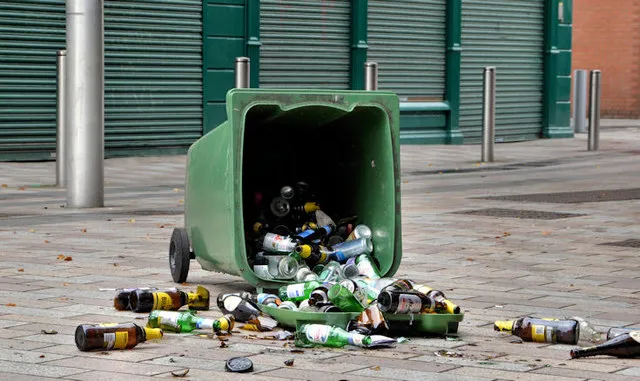
Photo: Albert Bridge , CC BY-SA 2.0, via Wikimedia Commons
Moving house is mostly a blur of boxes, meter readings and trying to remember which box the kettle is in. Then you wheel the bin out for the first time and realise the previous occupants have left you a parting gift: a cracked lid, a stubborn layer of grime and a smell that has clearly been developing since before the sale completed.
It's not the end of the world, and it's not unusual. But a bin full of someone else's leftovers needs a bit of thought before you start blasting it with a hose. Here's how to handle the first 48 hours without creating a bigger mess, upsetting the neighbours or accidentally making your new garden the local fly hotspot.
Start with a look, not a scrub
Before you touch anything, give the bin a proper once-over in decent daylight. Open the lid slowly and stand back for a second. You're checking for three things: what's inside, what condition the bin is in, and whether anything has made its home in there.
Look at the body of the bin for splits, especially near the base and around the lifting points. Check the lid hinges and the wheels. A bin with a missing wheel or a lid that won't shut is a collection-day problem waiting to happen, and your council may repair or replace it. Note the bin size too — most UK homes have a 240-litre wheelie, but you may have inherited a smaller one, a larger one, or a separate food waste caddy that needs its own attention.
If you can see maggots, fly activity or evidence of rats, don't start rummaging. Close the lid, put on gloves, and deal with it as a pest issue rather than a cleaning issue. A bin that's been sitting with food waste in warm weather can turn quickly.
Deal with what's inside before you deal with the plastic
The old waste is the awkward part. You can't simply leave it for the next collection if the bin is already overflowing, and you shouldn't shove it into a neighbour's bin — that's a quick way to start your new life on the street on the wrong foot.
Check your council's waste rules first. Most councils publish a collection calendar and a list of what they accept, and many have rules about extra bags, bulky waste and recycling contamination. If the bin contains old food waste, nappies or pet waste, it usually needs to go out on the correct collection day in the correct bin. If it's overflowing, ask the council about a one-off bulky waste collection or a permitted extra bag — rules vary, and in 2026 most councils are stricter about side waste than they used to be.
Don't put hazardous items, paint, batteries or aerosols into the general waste without checking. Your local household waste and recycling centre will take most of it, and it's better to make one trip than to contaminate a whole collection round.
Once the bin is empty, give it a quick visual check again. That's when you'll spot the real grime layer, the trapped bits under the rim and the liquid that's been quietly sitting in the bottom.
A safe first clean — and what to leave alone
You don't need a pressure washer and a full hazmat kit to make a difference. A pair of gloves, a stiff brush, hot water and a mild detergent will deal with most of it. Tip the bin onto its side on a patch of grass or a drain-safe surface, scoop out any solid debris, then scrub the inside walls and base. Pay attention to the lid, the handles and the area around the wheels, because that's where the smell tends to linger.
Rinse with hot water and let the bin dry thoroughly with the lid open. Dryness matters more than a strong smell of bleach. A wet bin will start to smell again within days, especially if it's warm. If you want to disinfect, use a product that's designed for bins or a dilute household cleaner, and follow the label. More bleach isn't better; it can leave a sharp chemical smell that hangs around and doesn't fix the underlying grime.
Don't use a hose on full blast inside a bin if you've nowhere for the runoff to go. Bin wash water can be grim, and it shouldn't be running into a neighbour's garden or a surface water drain. If you're in a flat or a terrace with no outside tap, a bucket and a stiff brush will do more than you'd think.
Check the council paperwork before bin day
Your new council may have a different collection day, different bin colours and different rules about garden waste or food waste. Check the council website as soon as you have the keys. Look for the collection calendar, the bin size policy, and whether garden waste is a paid subscription. If you've inherited a green bin but no subscription, don't assume it will be emptied.
It's also worth checking whether the previous owner left the bin out on the wrong day or in the wrong place. In some areas, bins must be presented at the boundary by a certain time and taken back in promptly. A polite note to the neighbours asking about the usual routine is rarely unwelcome, and it's a good way to find out whether the bin is yours, shared or actually belongs to the property next door.
Repair, replace or book a wash?
If the bin is structurally sound, a thorough clean is usually the cheapest and quickest fix. If it's cracked, missing a lid or has a broken wheel, ask the council about a replacement or repair. Replacement fees vary widely, and some councils charge for lost or damaged bins. Compare that cost with a professional wheelie bin wash — a wash won't fix a cracked bin, but it will get rid of the grime, the smell and the residue that a quick bucket clean misses.
A professional wash is often the better next step when the bin is sound but the smell has soaked into the plastic, or when you've moved in during a busy week and simply haven't got the time to scrub. If the bin is damaged, replace it first and wash the replacement as part of your normal routine.
Your first-48-hours checklist
- Photograph the bin and note any damage before you clean it.
- Check the council's collection day, bin colours and rules.
- Empty old waste responsibly, using a council-approved route.
- Scrub with hot water and mild detergent, then dry fully.
- Check for pests and deal with them properly.
- Decide whether the bin needs repair, replacement or a professional wash.
By the end of the weekend, the bin should be empty, dry and no longer the worst thing on the street. It won't feel like home until the kettle is unpacked, but a clean bin is a decent start.