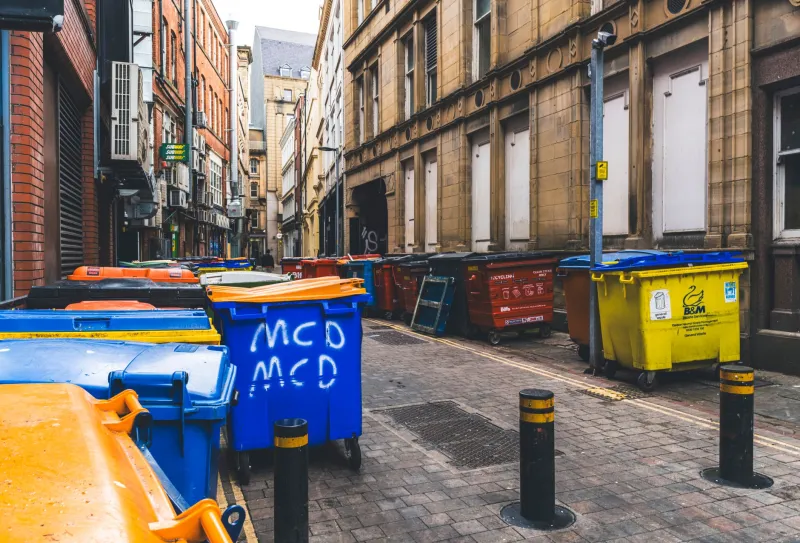
The Night Shift at Your Wheelie: Foxes, Gulls and What Actually Keeps Them Out
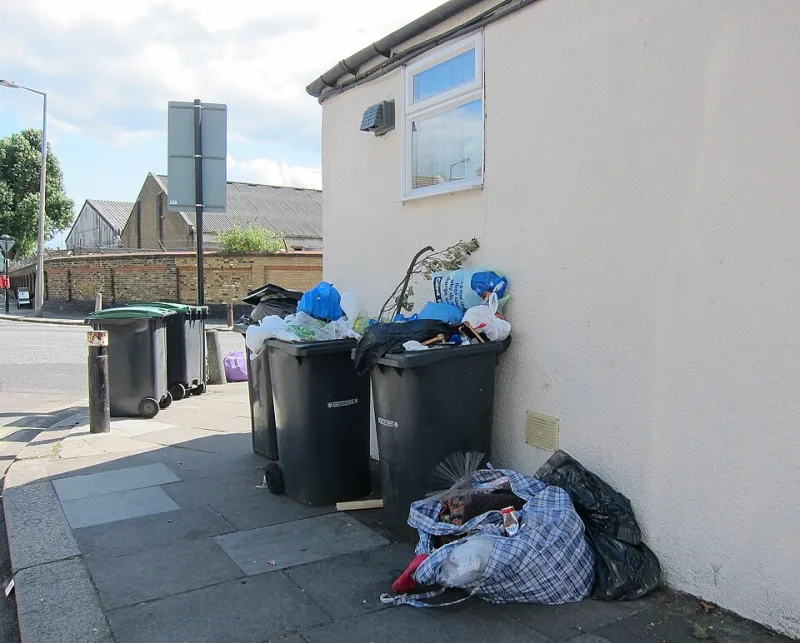
Photo: Alan Stanton, CC BY-SA 2.0, via Wikimedia Commons
The street changes after dark
There's a moment on most UK streets when the pavements empty, the curtains close and the wheelie bins take over. For a fox, a gull or a rat, that's not a nuisance — it's an opportunity. A bin with a loose lid, a split bag or a faint smell of last Sunday's roast is a reliable food source, and wildlife is very good at remembering where the reliable ones are.
At BinFlo, we spend a lot of time around bins, and the pattern is consistent: the properties with the biggest wildlife problems are rarely the ones with the most rubbish. They're the ones where the bin is doing too much work — holding too much, sitting out too long or carrying a smell that travels further than anyone realises. Here's how to change that without turning your garden into a fortress or harming anything that lives in it.
Know your visitor before you fix the problem
Different animals are drawn in by different things, and the right fix depends on who's turning up.
Foxes are common in cities and suburbs, and they're strong, curious and patient. They can knock over a bin, prise up a lid that isn't seated properly and drag bags into the open. They're also creatures of habit, so a bin that's been raided once tends to get revisited.
Gulls are the coastal and town-centre specialists. They're bold, they work in numbers and they can spot a bin bag from a surprising distance. In seaside towns, collection-day timing matters enormously — bags left out overnight are an open invitation.
Rats are the quiet ones. They don't need an open lid; a small gap, a torn corner or a bin stored against a warm wall is enough. They're also a sign that something nearby is providing food, water or shelter, so it's worth looking at the whole bin area rather than just the bin itself.
Squirrels are the suburban opportunists. They'll happily investigate a bin store, gnaw at a caddy lid and scatter scraps around the base. They're less about volume and more about accessibility.
The lid is the first line of defence
A wheelie bin only works if the lid closes fully. That sounds obvious, but in practice most bins are overfilled by a few inches, and that's all it takes. If the lid won't sit flush, the bin is effectively open.
A few practical habits make a real difference:
- Keep the lid shut and check it's seated after every use, not just on collection day.
- Don't force bags down if they don't fit. If the bin is full early, that's a sign to review what's going in it.
- Use bin clips or a simple lid strap if foxes are a known problem in your area — they're cheap, harmless and stop the lid being lifted.
- Store bins upright and on flat ground, ideally against a wall rather than in the open, so they're harder to tip.
- Keep the area around the bin clear of loose bags, dropped scraps and anything that smells of food.
For property managers, the same rules apply at scale. If a shared bin store has one bin that never quite closes, that's the one that will attract attention, and the problem will spread to the bins beside it.
Smell control is wildlife control
Animals follow their noses, and a bin that smells of food is a bin that's advertising. The good news is that smell is manageable.
Rinse food containers before they go in the general waste, and use your council's food waste caddy if you have one — it's designed to be sealed and collected separately. Double-bag anything that's likely to leak, and avoid putting liquid leftovers straight into the bin. A layer of newspaper or cardboard at the bottom absorbs drips and makes the bin easier to empty.
If a bin is already carrying a smell, a simple wash with hot water and a mild disinfectant goes a long way. Bicarbonate of soda is a useful standby for odours between washes, and leaving the lid open to dry after cleaning stops the damp, stale smell that seems to linger for weeks.
This is where a proper clean beats a quick rinse. A hose reaches the surface; hot water and a proper wash reach the residue that sits in the corners and along the base, which is exactly where the smell lives.
Collection-night timing matters more than people think
In many UK areas, the advice is simple: put your bin out on the morning of collection rather than the night before. That single change removes hours of exposure to foxes and gulls, and it's often the easiest fix available.
If your council collects early and you can't put the bin out in the morning, consider a locked or clipped bin, and bring it back in as soon as you reasonably can after collection. Bins left out for days are the ones that get investigated. If you manage a block of flats or a row of rental properties, agreeing a clear put-out and bring-in routine with tenants is worth more than any repellent.
Don't reach for anything harmful
It's understandable to want a quick deterrent, but poisons, sharp-edged devices and homemade traps are a bad idea — they're often illegal, they can harm pets and children, and they don't solve the underlying attraction. The reliable approach is to reduce access, reduce smell and reduce the time the bin is exposed. Those three things do most of the work.
A simple weekly checklist
Once a week, take five minutes and run through this:
- Check every lid closes fully and sits flush.
- Look for splits, cracks or chew marks, and report damaged bins to your council.
- Clear any loose scraps or spilled material around the base of the bin.
- Wipe or rinse the inside if there's a smell, and let it dry with the lid open.
- Confirm food waste is going in the caddy, not the general bin.
- Bring bins in promptly after collection and store them upright.
- Note any recurring visitors — a pattern tells you where to focus next.
Wildlife and wheelie bins will always share the same streets. The aim isn't to wage war on the local foxes or gulls; it's to make your bin a boring place to visit. A bin that closes, smells clean and doesn't sit out overnight is one that the night shift will happily walk past — and that's a better result for everyone, including the animals.