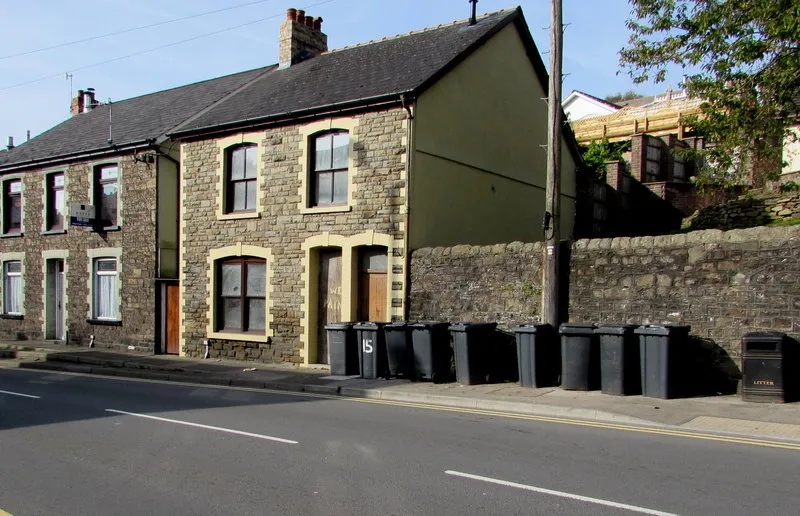
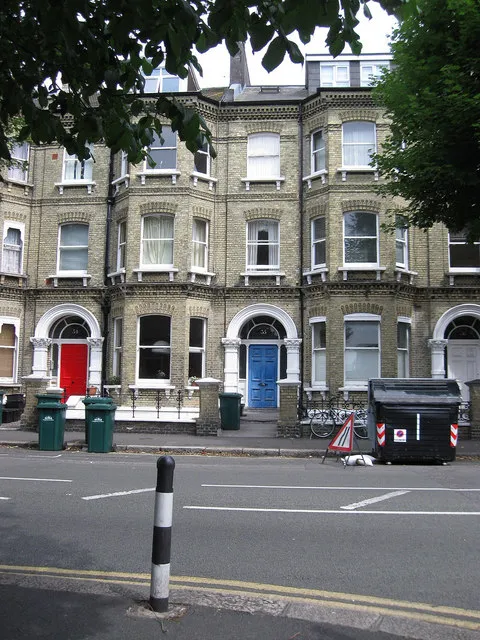
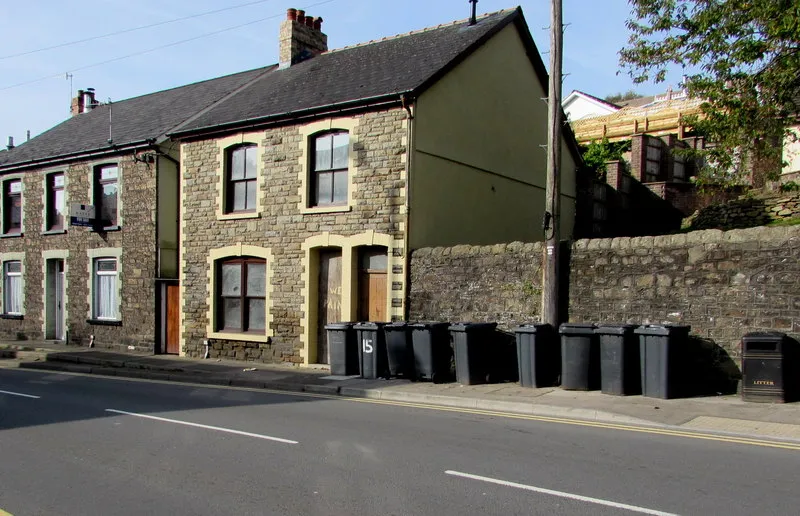
When a Neighbour Treats Your Wheelie Like a Spare: A Practical Guide to Bin Boundaries
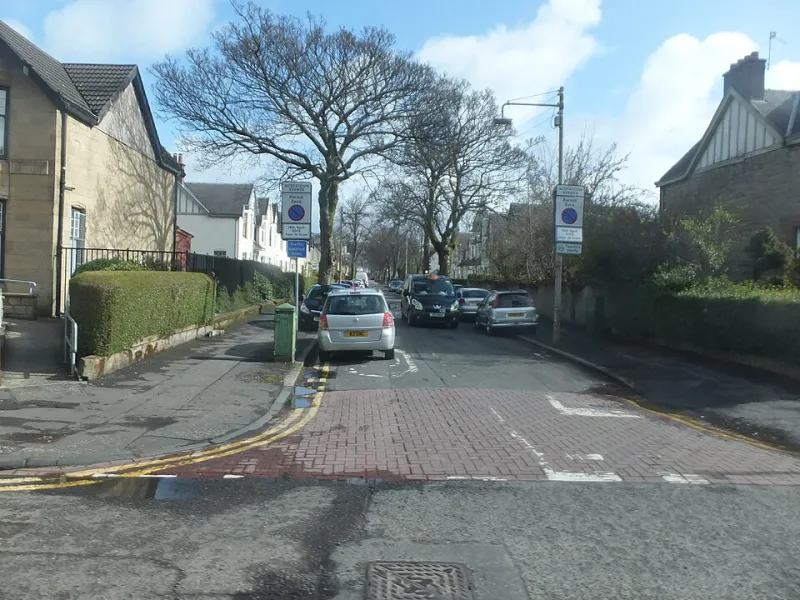
Photo: Barbara Carr , CC BY-SA 2.0, via Wikimedia Commons
Few things sour a street faster than the sight of your own wheelie bin parked outside someone else’s house, lid propped open and full of a neighbour’s leftovers. It is a small problem with a big emotional footprint. You want to be reasonable; you also want your bin back. The good news is that most bin-boundary disputes are sorted with a calm word, a clear label and a bit of routine. The less good news is that a minority need a paper trail. Here is how to handle both without turning a Tuesday morning into a street-wide drama.
Start With Facts, Not Fury
Before you knock on a door, check the basics. Is it definitely your bin? In terraces, flats and shared alleys, bins get moved by collectors, wind and well-meaning neighbours. Look for your house number, a distinguishing mark or the address on a council sticker. Note what has actually happened: used once, overfilled, left blocking a path, or routinely filled to the brim on the night before collection. A one-off mix-up is not the same as a habit.
It also helps to know your council’s rules. In 2026, most UK councils still expect bins to be presented at the boundary by a certain time, and many will not collect bins that are contaminated, too heavy or overflowing. That matters because a neighbour stuffing your recycling bin with black bags can lead to a missed collection for you. Read the council’s waste pages, screenshot the relevant bit, and keep it handy. You are not building a legal case yet; you are separating genuine rule-breaking from ordinary street friction.
The Friendly Word That Doesn’t Sound Like a Warning
Timing is everything. Do not march out at 6am on bin day with a torch and a speech. Catch the neighbour at a normal hour, ideally after the bins have been emptied and the street is calm. Keep it short, specific and slightly puzzled rather than accusatory. You are giving them an easy exit.
Try something like: ‘Morning — I think our bins might have got mixed up last week. Mine ended up outside yours and it was full of stuff I didn’t recognise. Could we keep them by our own gates from now on?’ Or: ‘Hi, quick one — my recycling bin keeps getting used on collection eve. I don’t mind helping out if someone’s stuck, but I need it empty for our own pick-up. Can we keep it separate?’
If the neighbour is reasonable, that is usually enough. If they are defensive, do not argue on the doorstep. Repeat the practical point once, then leave it. ‘I just need it left by my gate, that’s all.’ A calm exit is more effective than winning the conversation.
Small Physical Deterrents That Keep Things Civil
Sometimes a word works; sometimes a label does more. Put your house number on both sides of the bin in weatherproof stickers. If you live in a shared alley, paint or stencil the number on the lid. This is not petty; it removes ambiguity. A simple bin strap or lockable lid can also stop casual overfilling without looking like a fortress. Just check your council’s guidance first, because some crews need to open bins quickly and some councils discourage locks.
Position matters too. If your bin sits in a communal spot, keep it as close to your own boundary as practical. In flats, ask the managing agent to allocate numbered bin bays and pin a simple notice in the bin store. Property managers can do a lot of quiet good here: clear labelling, a polite laminated note, and a reminder of collection days. Most people stop using a bin that is obviously someone else’s once the setup makes ownership obvious.
Know Where Etiquette Ends and Council Rules Begin
Street etiquette says you do not fill a neighbour’s bin without asking. Council rules are narrower. Many councils will not get involved in a private dispute about a bin being used by someone else, but they will act on fly-tipping, bins left permanently on the highway, or waste that is causing a public health issue. If a neighbour is dumping commercial waste or piling rubbish beside the bin, that is a different conversation.
For renters, the first stop is often the landlord or managing agent. For owner-occupiers, it may be the local councillor or the council’s environmental health team if the problem becomes persistent and messy. Keep your language factual: dates, what was left, whether collection was missed, and any photos. Do not exaggerate. A short timeline is more persuasive than a long rant.
When a Friendly Word Becomes a Paper Trail
If the behaviour continues, start a simple log. Note the date, what you found and what you said. Take a photo of the bin in place, with the house number visible if possible. If you have already raised it politely, send a brief message or note repeating the request. Keep a copy. This is not about being officious; it is about having something concrete if you need to escalate to a landlord, managing agent or council.
If the bin is repeatedly blocked, contaminated or used for waste that is not yours, ask your council what they advise for your specific street. Some will send a letter or advise on bin storage. In shared buildings, the managing agent can review bin-store access and collection arrangements. If there is intimidation or persistent antisocial behaviour, report it through the proper channels rather than confronting anyone alone.
Cleaner Bins Make Better Neighbours
A clean bin is easier to claim. It smells less, attracts fewer flies and makes it obvious when someone else has been using it. A regular rinse and a proper deep clean also give you a chance to check for cracks, missing lids and contamination before collection day. If you are a landlord or property manager, schedule bin cleaning alongside the other turnover jobs. Clear ownership, clean bins and a shared calendar solve more disputes than any angry note ever will. BinFlo’s simple routine is built around that idea: fresh bins, clean streets, on schedule.