Shared Bins, Shared Blame: The Property Checklist Landlords Keep Ignoring
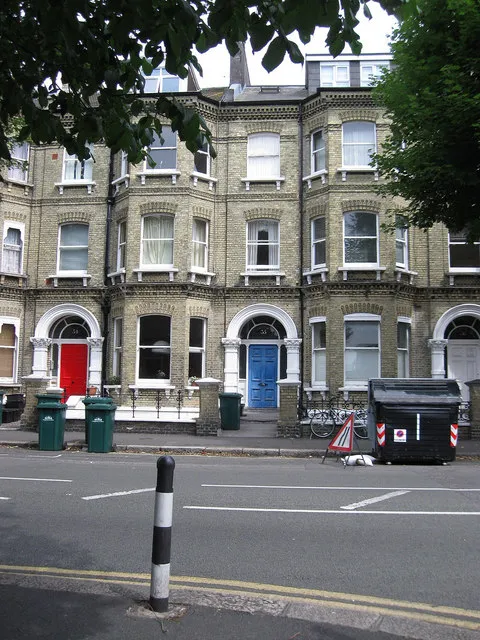
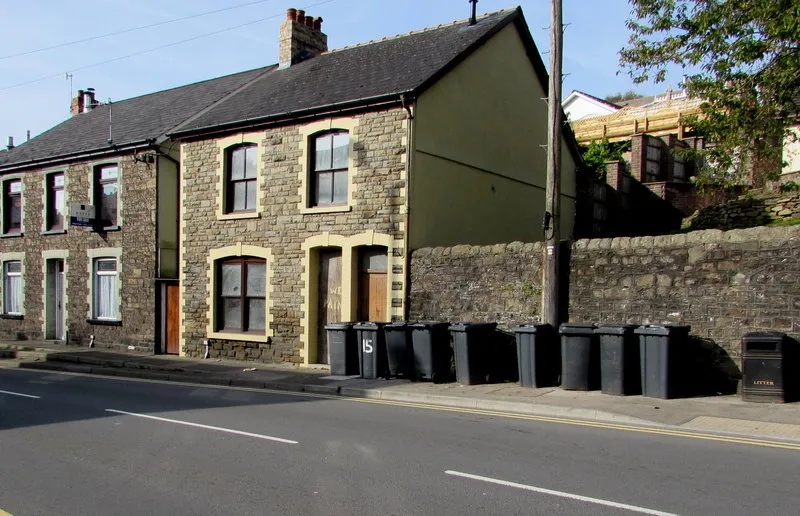
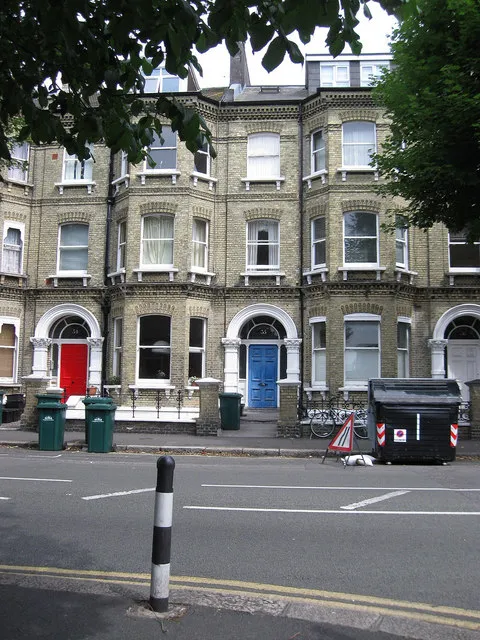
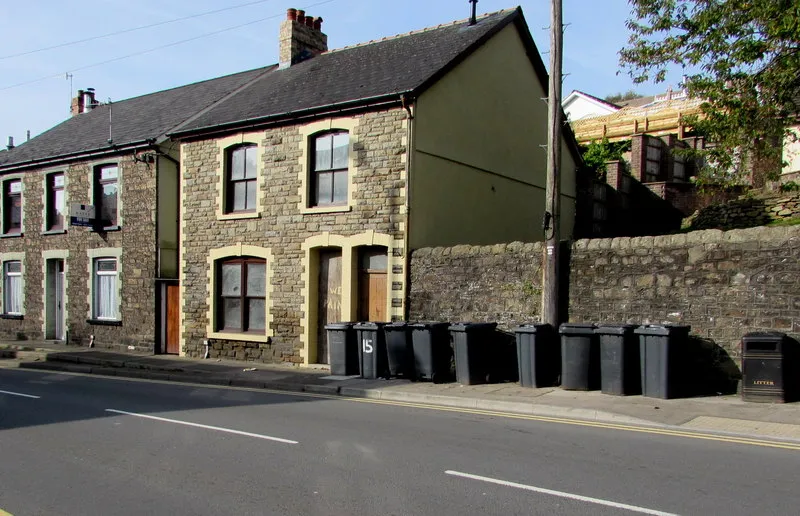
Photo: Simon Carey, CC BY-SA 2.0, via Wikimedia Commons
Communal wheelie bins are the quiet test of property management. They do not appear on glossy letting particulars, they rarely come up in viewings, and they are almost never the first thing a landlord checks after a tenant moves out. But in 2026, with HMO licensing, inspections and tenant expectations all sharper than they used to be, the shared bin store deserves a proper place on the property checklist.
The bin store is part of the property
It is easy to treat bins as a council matter. Councils collect waste, after all. But collection is not the same as cleanliness. A communal bin area that is sticky, smelly and surrounded by loose rubbish is a property management problem. It affects how tenants feel about where they live, it creates pest risk, and it can become evidence in a dispute or an inspection.
If a bin store is difficult to access, poorly signed or cleaned only when someone complains, the problem is usually not the tenants. It is the absence of a system.
What a bin audit should actually cover
A useful audit is not a quick glance from the car park. It should cover access, capacity, cleaning, signage, evidence and communication. Here is a practical checklist for landlords, letting agents and property managers.
Access and capacity
Can every tenant reach the bins without stepping over rubbish? Is the path clear, lit and safe? Are there enough bins for the number of occupants, or are lids permanently propped open because the bins are full? Are the bins stored in a place that is secure but still usable? If the bin store is locked, does every tenant have a key or code? These are basic questions, but they are often the reason bins end up overflowing.
Cleaning schedule
Who cleans the communal bins and the bin store floor, and how often? A visual check once a month and a deeper clean quarterly is a sensible starting point for many shared properties. The schedule should be written down, not remembered. If a contractor is used, keep the invoices and dates. If tenants are expected to clean, make sure that expectation is clear and realistic. In most shared houses, it is not realistic to rely on goodwill alone.
Signage and behaviour
Good signage does more than say ‘no rubbish’. It tells people which bin is for what, when collection day is, and what to do if a bin is full. Flat numbers or room numbers can help in HMOs. A simple laminated sheet in the bin store is not glamorous, but it prevents a lot of confusion. If the council has specific recycling rules, use them. If the building has a bin-store code, display it clearly.
Evidence for inspections
Photographs with dates are your friend. A short log of cleaning dates, pest checks and repair requests shows that the property is being managed, not just advertised. This matters for council inspections, deposit disputes and any conversation with tenants about responsibility. You do not need a glossy report; a dated note and a few photos are enough to show a pattern of care.
Pest and odour checks
Look for droppings, gnaw marks, flies, spilled food and standing water. Smell the bin store on a warm day, not just a cold one. If there is a persistent odour, the cause is usually waste sitting too long, bins not being cleaned, or liquid leaking from bags. Fix the cause, not just the smell.
Who is responsible?
This is where many shared properties go wrong. The tenancy agreement may say tenants must keep the bins tidy, but that does not mean the landlord can ignore the bin store. The council may collect the waste, but it will not usually clean the bins. The managing agent may inspect the building, but only if the bin store is on the inspection list. Clarity is everything. Put the responsibility in writing, name the person or company responsible for cleaning, and make sure tenants know how to report a problem.
A simple quarterly rhythm
A practical approach for 2026 is a quarterly bin review. Walk the bin store, check access and capacity, review the cleaning log, look for pests and odour, and update the signage if needed. Between reviews, ask tenants to report overflowing bins or damage. That gives you a record and stops small problems becoming expensive ones.
The bottom line
Dirty communal bins are not a minor housekeeping issue. They are a pest risk, an odour risk and a tenant-relations risk. Add the bin store to the property checklist, give it a schedule and keep the evidence. If you would rather hand the cleaning side to a specialist, BinFlo works with landlords and property managers to keep shared bins fresh and collections on schedule. Fresh bins, clean streets, on schedule.